
Conductivity Meter Calibration: Procedure & Acceptance
Conductivity: It is the ability of a solution to conduct electricity and the electricity is conducted in solution by ions present.
 Pharmaceutical Guideline2 min read
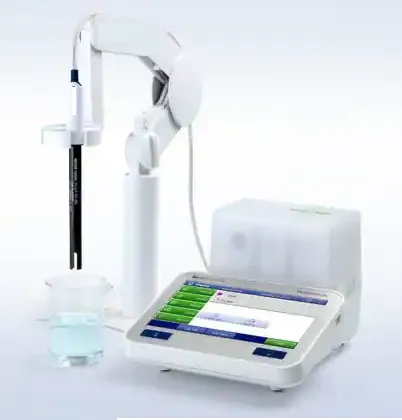
1. Purpose
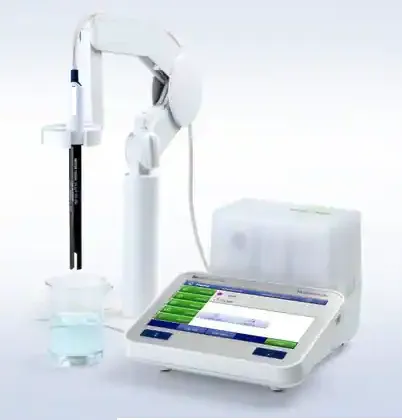
To define the procedure for calibration of the Conductivity meter.
2. Scope
This guideline is applicable for the calibration of the Conductivity meter in the Quality control department.
3. References & Attachments
3.1 References
3.1.1 Inhouse
3.2 Attachments
3.2.1 None
4. Responsibilities
4.1 Analyst
4.1.1 To operate the instrument as per SOP (Standard operating procedure).
4.1.2 Documentation related to Operation, Calibration and maintenance in the template/ logbook
4.2 Head Quality control or designee
4.2.1 To provide training to the concerned before implementation of SOP
4.2.2 To ensure the Operation and Calibration of the instrument as per SOP
4.2.3 To ensure proper documentation as per SOP.
4.3 Quality Head
4.3.1 To ensure the guideline is implemented at the location.
4.3.2 To review and approve SOP.
5. Definition of terms
5.1 Conductivity: It is the ability of a solution to conduct electricity and the electricity is conducted in solution by ions present.
The unit of measurement of conductivity is Siemen (S).
6. Procedure
6.1 Categories of calibration and frequency of calibration
6.1.1 Meter calibration using resistors (Recommended Frequency Six Monthly ± 15 days)
6.1.2 The temperature sensor shall be calibrated. (Recommended Frequency Yearly ± 1 Month)
6.1.3 Recalibration shall be performed after major maintenance/breakdown of the instrument. If the maintenance is done for the temperature sensor then calibration of the sensor shall also be performed.
6.2 Check and Precautions
6.2.1 Check and ensure that no air bubble is trapped in the electrode while measuring conductivity.
6.2.2 Avoid contact of electrodes with solid surfaces.
6.2.3 Rinse the electrode with test solution before measurement.
6.2.4 Check the electrode for any surface solid deposits.
6.3 Calibration Procedures
6.3.1 Meter calibration using resistors (Frequency Six Monthly ± 15 days)
6.3.1.1 Meter calibration shall be performed using NIST or equivalent to local national authority traceable resistors which must be accurate to ± 0.1% of the stated value.
6.3.1.2 Alternatively, meter calibration may be performed using an accurate adjustable resistance device, such as Wheatstone Bridge, to give predicted instrument response.
6.3.1.3 The instrument must have a minimum resolution of 0.1 µS/cm.
6.3.1.4 The meter calibration shall be performed for each sensor.
6.3.2 The temperature sensor shall be calibrated Yearly ± 1 month with an accuracy of ± 0.5°C.
Note: If in conductivity meter, digital temperature display is not available and the thermometer is used shall be graduated at not more than 0.5° C intervals.
It shall be calibrated yearly once with 0.5° C accuracy.
7. Records
Calibration Certificate
Get new articles
Practical GMP, QA and regulatory guidance for students and professionals, plus pharma job openings as they are posted. Free, about one email a week.
Related reading
 Manufacturing and Packaging
Films PHARMACEUTICAL DOSAGE FORMS
USP-43 〈1151〉 Films PHARMACEUTICAL DOSAGE FORMS
 Pharmacopoeia
Capsules PHARMACEUTICAL DOSAGE FORMS
Capsules PHARMACEUTICAL DOSAGE FORMS, United State Pharmacopoeia USP-43, Chapter <1151>
 General
Pharmaceutical Documentation: Hierarchy, Types & GMP Rules
You might have read so many guidelines and articles on Documentation, in this article, I am not going to explain the same things here.