
CREAMS
Creams are semisolid emulsion dosage forms, Creams are generally intended for external application to the skin or to the mucous membranes
 Pharmaceutical Guideline1 min read
CREAMS
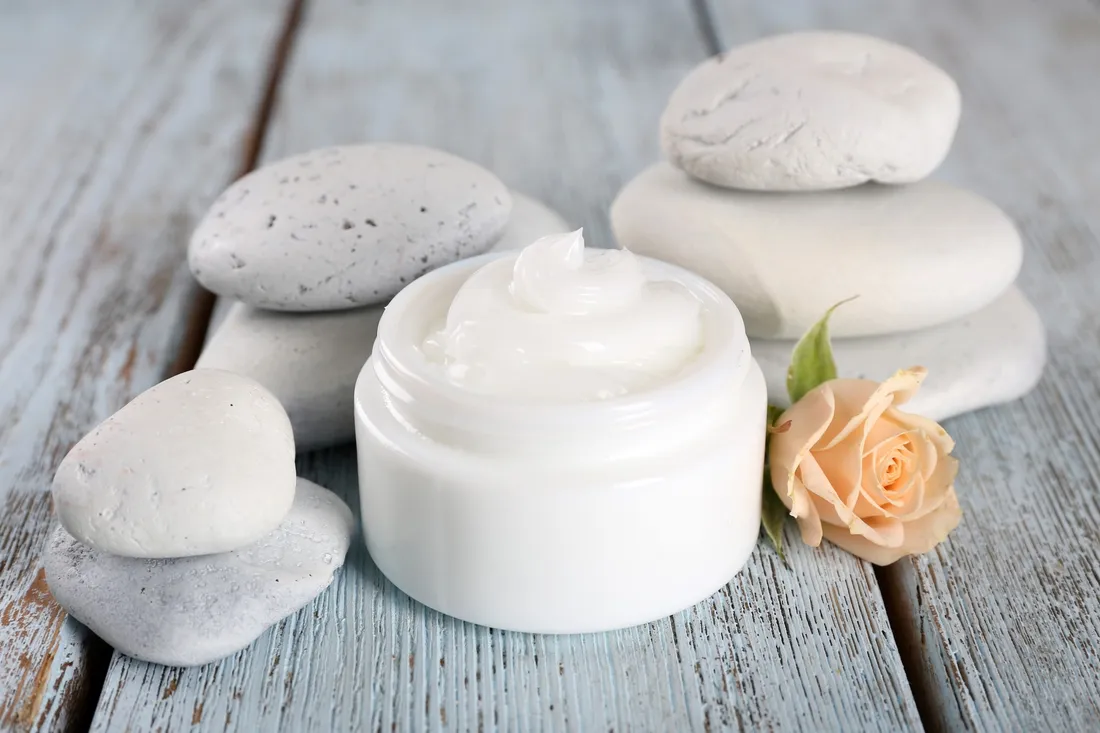
- Creams are semisolid emulsion dosage forms.
- They often contain more than 20% water and volatiles, and/or typically contain less than 50% hydrocarbons, waxes, or polyols as the vehicle for the drug substance.
- Creams are generally intended for external application to the skin or to the mucous membranes.
- Creams have a relatively soft, spreadable consistency and can be formulated as either a W/O emulsion (e.g., Cold Cream or Fatty Cream as in the European Pharmacopoeia) or as an O/W emulsion (e.g., Betamethasone Valerate Cream).
- Creams are generally described as either nonwashable or washable, reflecting the fact
- that an emulsion with an aqueous external continuous phase is more easily removed than one with a nonaqueous external phase (W/O emulsion).
Refer Emulsions
Get new articles
Practical GMP, QA and regulatory guidance for students and professionals, plus pharma job openings as they are posted. Free, about one email a week.
Related reading
 Manufacturing and Packaging
LOTIONS
LOTIONS Lotions are an emulsified liquid dosage form intended for external application to the skin. Historically, some topical suspensions such as
 Manufacturing and Packaging
Sterile Water for Injection
Sterile Water for Injection is water for Injection packaged and rendered sterile.
 General
Emulsions
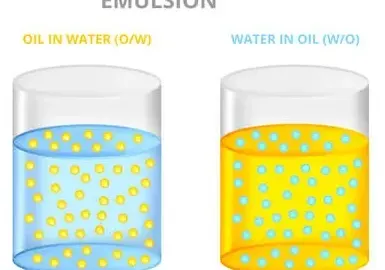
An emulsion is a dispersed colloidal system consisting of two immiscible liquid phases generally stabilized with one or more suitable agents