
Navigating the Evolving Pharmaceutical Manufacturing Landscape in 2026
Sterile lab with shiny metal machinery, blue lighting, control panels, and empty glass vials on a conveyor. Modern and clean
 Pharmaceutical Guideline8 min read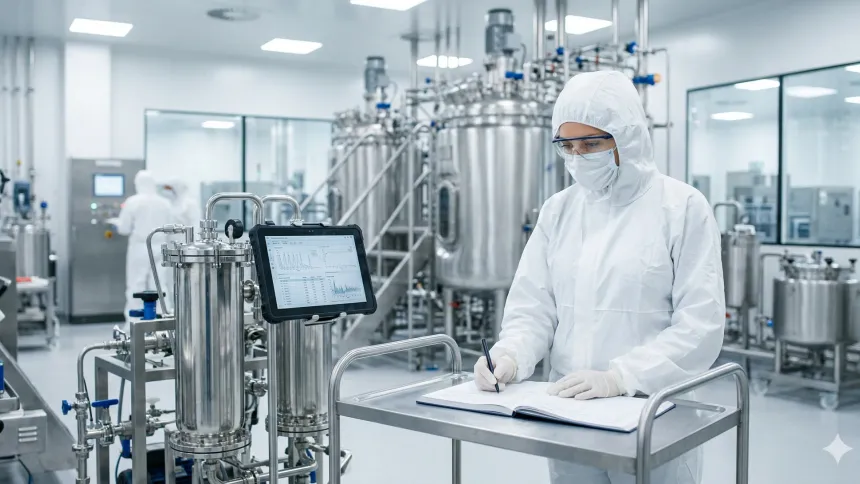

Pharmaceutical Manufacturing Landscape
As of April 5, 2026, the pharmaceutical manufacturing landscape continues its rapid evolution, driven by increasingly stringent global regulatory expectations, unprecedented technological advancements, and a persistent focus on supply chain resilience. For manufacturers of sterile injectables, biosimilars, and other critical drug products, understanding and proactively addressing these shifts is paramount. This article delves into the most pressing trends shaping cGMP compliance, aseptic processing, and digital integration, offering insights for maintaining operational excellence and ensuring patient safety.

Navigating the Evolving Regulatory Landscape: Post-Annex 1 Era and FDA’s Data Integrity Push
The regulatory environment remains a primary driver of change. By 2026, the industry is fully immersed in the post-implementation phase of key guidances, notably the revised EU GMP Annex 1, and continues to grapple with the FDA’s unwavering focus on data integrity.
Deep Dive into Annex 1 Compliance: The Contamination Control Strategy Imperative
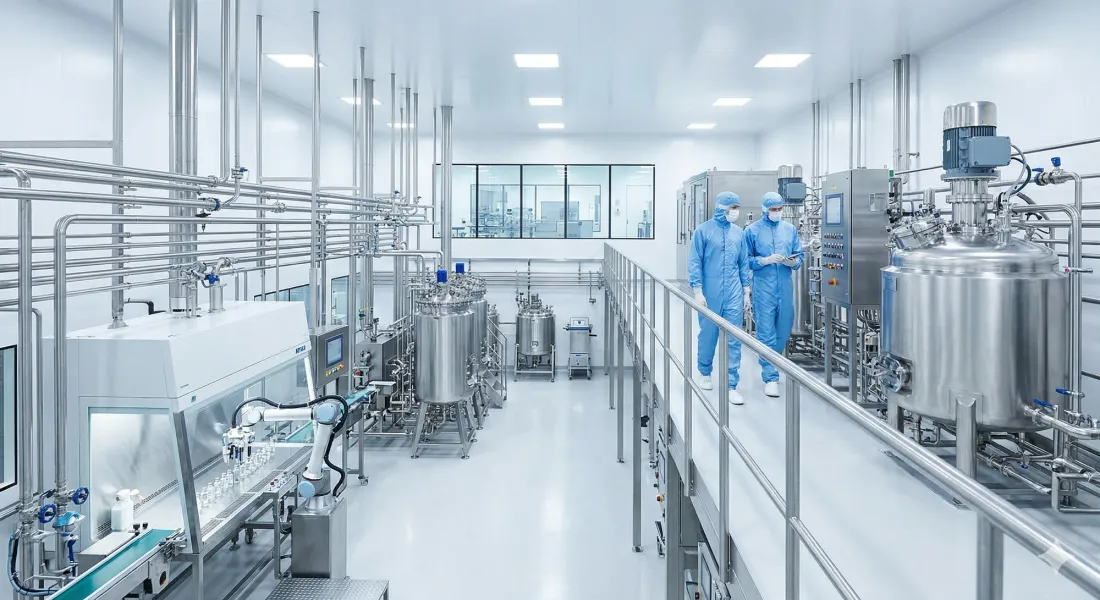
The EU GMP Annex 1, “Manufacture of Sterile Products,” having been fully effective since August 2023, is no longer a future consideration but a current audit reality. By 2026, regulatory bodies, particularly the EMA, are conducting rigorous inspections focused on demonstrating robust, holistic implementation of a comprehensive Contamination Control Strategy (CCS). The CCS, as outlined in Annex 1 Section 2.5, demands a lifecycle approach to contamination risk management, encompassing every aspect of sterile manufacturing – from facility design and personnel qualification to raw material control, equipment maintenance, utilities, and environmental monitoring (EM) programs.
A critical component of the CCS is the enhanced emphasis on Environmental Monitoring. Manufacturers are increasingly adopting Rapid Microbial Methods (RMMs) to ensure timely detection of microbial excursions and facilitate faster root cause analysis and corrective actions. This proactive approach aligns with Annex 1’s call for real-time monitoring and trend analysis to prevent potential contamination events rather than merely detecting them post-occurrence. Furthermore, Aseptic Process Simulations (APS), or media fills, are under intensified scrutiny, requiring meticulous design, execution, and interpretation to accurately reflect routine manufacturing operations, especially with larger batch sizes and more complex fill-finish processes.
FDA’s Unwavering Focus on Data Integrity
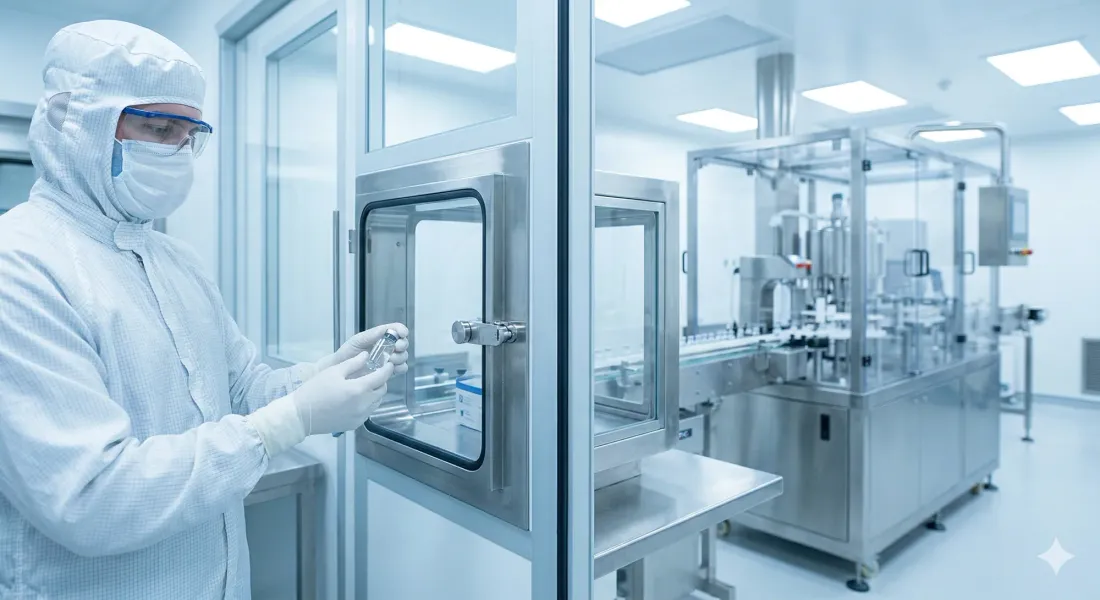
The FDA’s enduring emphasis on data integrity, articulated prominently in 21 CFR Parts 210 and 211 and further elaborated in numerous guidances (e.g., “Data Integrity and Compliance With CGMP for Drugs and Biologics”), continues to drive compliance efforts. The ALCOA+ principles (Attributable, Legible, Contemporaneous, Original, Accurate, Complete, Consistent, Enduring, Available) remain the bedrock of defensible data. Recent enforcement actions, frequently highlighted in public warning letters, underscore pervasive issues related to inadequate audit trails, insufficient user access controls, and a lack of thorough data review processes, particularly for critical quality attributes and manufacturing records.
For sterile product manufacturers, the convergence of EU GMP Annex 1’s data requirements with FDA’s expectations creates a unified global standard for data governance. This necessitates robust electronic data management systems compliant with 21 CFR Part 11, ensuring data security, traceability, and reliability throughout the entire product lifecycle. Companies must invest in comprehensive training programs and a strong quality culture to embed data integrity principles into daily operations, mitigating risks of data manipulation or loss.

Advanced Aseptic Manufacturing: The Imperative for Sterile Injectables and Biosimilars
The global market for sterile injectables, encompassing a wide array of biologics, gene therapies, and increasingly, biosimilars, continues its exponential growth. These complex drug products often necessitate highly controlled manufacturing environments to maintain their stability, efficacy, and sterility.

Elevating Aseptic Processing with RABS and Isolator Technologies
The era of reliance solely on traditional Grade A/B cleanroom processing, with extensive human intervention, is rapidly diminishing. Restricted Access Barrier Systems (RABS) and Isolators are now considered industry best practice, and often a regulatory expectation, for minimizing direct human contact with critical product and component pathways. These advanced aseptic processing technologies significantly reduce the risk of microbial contamination originating from personnel, which remains the single largest source of contamination in aseptic environments.
Isolators, providing a completely closed system, offer the highest level of sterility assurance and are particularly favored for highly potent or cytotoxic compounds, enhancing both product and operator safety. RABS, while offering slightly less containment, still provide a substantial barrier and are more adaptable to existing facilities. Both systems rely on validated Vaporized Hydrogen Peroxide (VHP) bio-decontamination cycles to achieve and maintain aseptic conditions, requiring meticulous validation protocols and ongoing performance monitoring.
Beyond Aseptic: Container Closure Integrity (CCI) and Sterility Assurance
Sterility assurance extends beyond the aseptic filling process itself. Maintaining Container Closure Integrity (CCI) is paramount to ensuring the sterility of the final product throughout its entire shelf life, from manufacture through distribution and patient administration. Any breach in CCI can lead to microbial ingress, rendering the product unsafe.
Traditional CCI testing methods, such as dye ingress, are increasingly being replaced by advanced, non-destructive techniques. Technologies like headspace analysis (for oxygen or moisture), laser-based gas ingress detection, and electrical conductivity and capacitance testing offer higher sensitivity, faster results, and allow for 100% inline inspection in some cases. This shift aligns with Annex 1’s emphasis on a holistic approach to product protection and a lifecycle view of sterility assurance, moving beyond end-of-process testing to integrated quality by design principles.
Digital Transformation and Supply Chain Resilience in Pharma 4.0
The pharmaceutical industry is accelerating its adoption of digital technologies, moving beyond mere automation to embrace the principles of Pharma 4.0. This transformation is pivotal for enhancing efficiency, quality, and crucially, supply chain resilience.
AI/ML for Predictive Quality and Process Optimization
Artificial Intelligence (AI) and Machine Learning (ML) algorithms are being increasingly deployed in pharmaceutical manufacturing for predictive quality control, real-time process monitoring, and predictive maintenance. By analyzing vast datasets from manufacturing operations, EM, and quality control, AI/ML can identify subtle trends, predict potential equipment failures before they occur, and optimize process parameters to prevent deviations.
For instance, ML models can analyze historical EM data to predict contamination risks in specific zones, allowing for proactive intervention. In aseptic processing, AI can optimize media fill parameters or identify anomalies in environmental conditions that might compromise sterility. This shift from reactive troubleshooting to proactive, data-driven decision-making not only enhances product quality but also significantly reduces downtime and operational costs, contributing directly to a more robust Contamination Control Strategy.
Fortifying the Supply Chain: Resilience in a Volatile World
Lessons learned from recent global disruptions continue to underscore the critical importance of a resilient pharmaceutical supply chain. Regulators worldwide, including the FDA and EMA, are actively promoting greater supply chain transparency, risk management, and diversification strategies. Manufacturers are responding by investing heavily in supply chain digitalization, leveraging technologies for real-time tracking, enhanced visibility, and predictive analytics to anticipate and mitigate disruptions.
Establishing diversified supplier networks, implementing robust supplier qualification programs, and developing contingency plans are now standard practice. The ability to trace raw materials, active pharmaceutical ingredients (APIs), and critical components from their origin to the final packaged product is not just a regulatory expectation but a fundamental aspect of quality assurance and patient safety.
Key Compliance Challenges and Strategic Solutions
Bridging the gap between evolving regulatory expectations and the practical realities of pharmaceutical manufacturing presents ongoing challenges. Success in 2026 and beyond requires strategic investment and a proactive mindset.
| Feature | Traditional Aseptic Processing (Open Cleanroom) | Advanced Aseptic Processing (RABS/Isolators) |
|---|---|---|
| Contamination Risk | High (direct human intervention) | Low (minimized human intervention) |
| Operator Intervention | Extensive, direct contact | Limited, indirect via gloves/automation |
| Environmental Control | Grade A/B cleanroom, passive | Grade A within closed barrier, active bio-decontamination (VHP) |
| Sterility Assurance Level (SAL) | Typically 10-3 to 10-4 | Typically 10-5 to 10-6 |
| Capital Investment | Lower initial cost | Higher initial cost |
| Operational Cost | Higher personnel costs, higher EM frequency, higher risk of batch loss | Lower personnel costs, reduced EM frequency (within barrier), lower risk of batch loss |
| Flexibility | Higher for diverse product types | Moderate, depends on system design |
| Regulatory Preference | Decreasing for new sterile products | Increasing, often expected for new facilities/products |
To navigate these complexities, pharmaceutical manufacturers must adopt a multi-faceted strategy:
- Comprehensive CCS Implementation: Develop, document, and continuously review a robust Contamination Control Strategy that integrates all aspects of sterile manufacturing, ensuring a holistic, risk-based approach as mandated by Annex 1.
- Robust Data Governance Framework: Implement stringent data integrity policies and procedures, ensuring ALCOA+ principles are applied across all data capture, processing, and review systems, both manual and electronic, compliant with 21 CFR Part 11.
- Strategic Technology Adoption: Invest in advanced aseptic processing technologies (RABS, Isolators) and Rapid Microbial Methods (RMMs) to enhance sterility assurance and operational efficiency. Explore AI/ML applications for predictive quality and process optimization.
- Proactive Supply Chain Management: Digitalize supply chain operations, diversify supplier networks, and implement robust risk management strategies to ensure resilience and transparency.
- Continuous Training and Competency: Develop comprehensive training programs for personnel, focusing on new technologies, evolving regulatory expectations, and the critical importance of quality culture.
- Fostering a Quality Culture: Cultivate an organizational culture where quality and compliance are embedded at every level, promoting proactive identification and resolution of issues.
Conclusion
The year 2026 marks a pivotal period for pharmaceutical manufacturing. The convergence of stringent regulatory expectations from bodies like the FDA and EMA (particularly post-Annex 1 implementation), coupled with the transformative potential of Pharma 4.0 technologies and the growing demands for complex sterile injectables and biosimilars, presents both significant challenges and unparalleled opportunities. Success in this dynamic environment hinges on agility, strategic investment in advanced technologies, and an unwavering, proactive commitment to quality, compliance, and ultimately, patient safety. Manufacturers who embrace these changes not as burdens, but as pathways to operational excellence and sustained innovation, will lead the industry forward.
Get new articles
Practical GMP, QA and regulatory guidance for students and professionals, plus pharma job openings as they are posted. Free, about one email a week.
Related reading
 General
Deadline Dilemma: The Case for Extending Revised Schedule M to December 2026
As of January 2026, the Indian pharma sector faces a massive bottleneck: over 13,000 plants require inspection, yet only ~1,100 field inspectors are active. While the government has enforced Revised Schedule M, Laghu Udhyog Bharti is pushing for a vital extension until December 2026 to prevent the closure of thousands of MSMEs and ensure the continued supply of affordable medicine.
 General
Enhancing Productivity and Quality in Pharmaceutical Industries
Improving productivity & quality is critical to ensuring efficient operations, regulatory compliance & the delivery of high-quality products
 General
Major Equipment of Tablets and Capsules Manufacturing
List of Major Equipment of Tablets and Capsules Manufacturing