
Ensuring Pharmaceutical Data Integrity in Manufacturing
In pharmaceutical manufacturing, maintaining the accuracy and reliability of data is not just a regulatory requirement - it is a cornerstone of patient safety and product quality. I have seen firsthand how lapses in data integrity can lead to costly recalls, regulatory actions, and most importantly, risks to public health. That is why I want to share practical insights on how to ensure pharmaceutical data integrity throughout the manufacturing process.Data integrity means that all data generated
 Pharmaceutical Guideline5 min read
In pharmaceutical manufacturing, maintaining the accuracy and reliability of data is not just a regulatory requirement - it is a cornerstone of patient safety and product quality. I have seen firsthand how lapses in data integrity can lead to costly recalls, regulatory actions, and most importantly, risks to public health. That is why I want to share practical insights on how to ensure pharmaceutical data integrity throughout the manufacturing process.
Data integrity means that all data generated during manufacturing is complete, consistent, and accurate throughout its lifecycle. This includes everything from raw material testing results to batch production records and equipment calibration logs. When data integrity is compromised, it can lead to incorrect decisions, flawed products, and regulatory non-compliance.

Understanding Pharmaceutical Data Integrity: Why It Matters
Pharmaceutical data integrity is essential because it underpins the trustworthiness of all manufacturing records. Without reliable data, quality assurance teams cannot verify that products meet specifications. Regulatory agencies such as the FDA and EMA require strict adherence to data integrity principles to ensure that medicines are safe and effective.
In practice, data integrity involves several key principles often summarized by the acronym ALCOA:
- Attributable : Data must clearly show who recorded it and when.
- Legible : Data should be readable and permanent.
- Contemporaneous : Data must be recorded at the time the activity occurs.
- Original : The original data or a certified true copy must be preserved.
- Accurate : Data must be free from errors and reflect the actual observations.
Beyond ALCOA, modern guidelines also emphasize data being complete, consistent, enduring, and available. These principles help prevent data manipulation, loss, or errors.
For example, when recording batch production data, operators should enter information directly into validated electronic systems at the time of the process step. Paper records should be signed and dated immediately. Any corrections must be made transparently with a single line strike-through and explanation, never by erasing or overwriting.
How does the FDA define data integrity?
The FDA defines data integrity as the assurance that data are complete, consistent, and accurate throughout the data lifecycle. This means data must be trustworthy and reliable from initial recording to final reporting. The FDA’s guidance highlights that data integrity is critical for compliance with current Good Manufacturing Practices (cGMP).
The agency expects pharmaceutical manufacturers to implement controls that prevent data falsification, loss, or unauthorized changes. This includes:
- Using validated computerized systems with audit trails.
- Training personnel on data integrity principles.
- Conducting regular data reviews and audits.
- Establishing clear procedures for data handling and corrections.
The FDA also stresses the importance of a quality culture that promotes ethical behavior and accountability. When I work with manufacturing teams, I emphasize that data integrity is not just a technical issue but a mindset that must be embedded at every level.

Practical Steps to Ensure Data Integrity in Pharmaceutical Manufacturing
Ensuring data integrity requires a combination of robust systems, well-defined processes, and trained personnel. Here are some actionable recommendations I have found effective:
- Implement Validated Electronic SystemsUse computerized systems that are validated to ensure they function as intended. These systems should have secure user access controls, audit trails that record all data changes, and automatic backups.
- Standardize Data Entry ProceduresDevelop clear procedures for data recording, including timing, format, and correction methods. Train all staff on these procedures and monitor compliance regularly.
- Conduct Regular Data Reviews and AuditsQuality assurance teams should routinely review data for completeness and consistency. Audits help identify gaps or deviations early before they impact product quality.
- Promote a Culture of IntegrityEncourage open communication and ethical behavior. Employees should feel responsible for data accuracy and empowered to report concerns without fear of reprisal.
- Maintain Comprehensive DocumentationKeep detailed records of all manufacturing activities, including raw data, metadata, and any changes made. Documentation should be organized and easily retrievable.
- Use Physical and Logical Security ControlsProtect data from unauthorized access or tampering by implementing physical security measures (e.g., restricted access areas) and logical controls (e.g., passwords, encryption).
- Train Personnel ContinuouslyRegular training sessions help reinforce the importance of data integrity and keep staff updated on regulatory expectations and best practices.
By following these steps, manufacturers can build a strong foundation for reliable data management that supports compliance and product quality.
Common Challenges and How to Overcome Them
Despite best efforts, maintaining data integrity can be challenging. Some common issues include:
- Manual Data Entry Errors : Human errors during manual recording can compromise data accuracy. To reduce this, automate data capture where possible and implement double-check procedures.
- Incomplete Records : Missing data points can occur due to oversight or time pressures. Emphasize the importance of contemporaneous recording and conduct spot checks.
- Unauthorized Data Changes : Without proper controls, data can be altered without trace. Use systems with audit trails and restrict user permissions.
- Poor Data Backup Practices : Data loss can happen if backups are not performed regularly or stored securely. Establish automated backup schedules and offsite storage.
- Lack of Awareness : Sometimes personnel do not fully understand data integrity requirements. Continuous training and leadership commitment are key to raising awareness.
When I encounter these challenges, I recommend a risk-based approach. Identify the most critical data and processes, then prioritize controls and monitoring accordingly. This helps allocate resources efficiently and ensures the highest impact on data integrity.
Looking Ahead: The Future of Data Integrity in Pharma
As technology advances, pharmaceutical manufacturing is increasingly adopting digital tools such as cloud computing, artificial intelligence, and blockchain. These innovations offer new opportunities to enhance data integrity by improving traceability, security, and real-time monitoring.
However, new technologies also bring new risks. It is essential to validate these systems thoroughly and update procedures to address emerging threats. Regulatory agencies continue to evolve their expectations, so staying informed and proactive is crucial.
I believe that the future of pharmaceutical data integrity lies in integrating technology with a strong quality culture. When people understand the value of accurate data and have the right tools, the industry can achieve higher standards of safety and compliance.
Ensuring pharmaceutical data integrity is a continuous journey that requires commitment, vigilance, and collaboration. By implementing robust systems, fostering ethical practices, and staying current with regulatory guidance, we can safeguard the quality of medicines and protect patient health.
For more detailed guidance on this topic, I recommend exploring resources on data integrity in pharmaceutical manufacturing to deepen your understanding and strengthen your practices.
Get new articles
Practical GMP, QA and regulatory guidance for students and professionals, plus pharma job openings as they are posted. Free, about one email a week.
Related reading
 QA
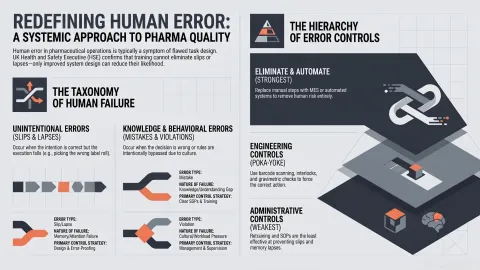
QAHow to Reduce Human Error in Pharmaceutical Operations
Why retraining alone rarely works, and the practical controls that reduce human error in pharmaceutical manufacturing, packaging and documentation.